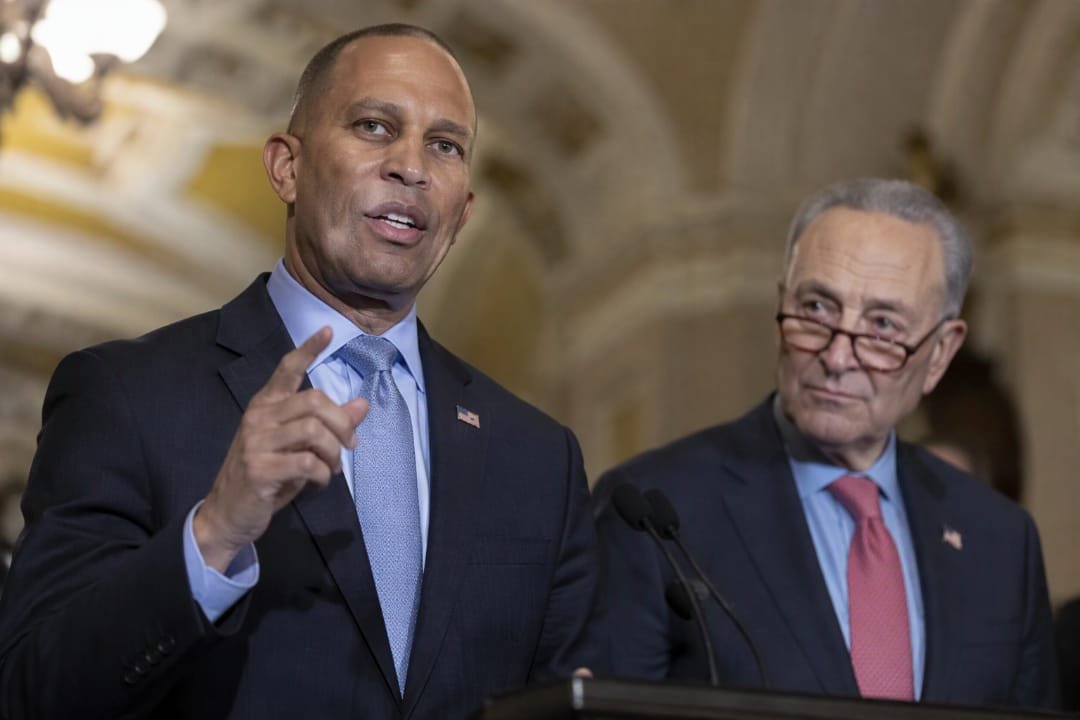
A historic electoral victory brings opportunity, but it also brings responsibility. For Democrats, the moment calls for discipline, unity, and a relentless focus on improving the lives of the American people. Yet reports of internal disagreements among some left-leaning Democrats and party leaders such as Chuck Schumer and Hakeem Jeffries risk distracting from the very mandate voters delivered.
Political parties are broad coalitions. Differences in ideology and strategy are inevitable, especially after a major victory. Progressive Democrats, moderates, and party leaders will naturally debate the direction of policy and the priorities of government. Healthy debate can strengthen a party by refining ideas and ensuring diverse voices are heard.
However, there is an important distinction between constructive debate and destructive infighting. Voters rarely reward a party that appears more focused on settling internal scores than solving real-world problems. Americans facing rising costs, housing challenges, healthcare concerns, and economic uncertainty are looking for results, not political drama.
The leadership positions held by Chuck Schumer in the Senate and Hakeem Jeffries in the House are significant, and discussions about leadership are a normal part of any democratic organization. But any challenge to leadership should ultimately serve a larger purpose: strengthening the party’s ability to govern effectively. If leadership battles become the central story, Democrats risk undermining the momentum that helped deliver their victory in the first place.
The American people did not vote for endless internal conflict. They voted with the expectation that elected officials would address kitchen-table issues that affect everyday families. That means lowering costs, strengthening infrastructure, expanding economic opportunity, improving public safety, protecting fundamental rights, and ensuring government works efficiently for citizens.
History shows that parties often face their greatest tests not when they lose, but when they win. Victory creates high expectations and competing visions for how power should be used. The challenge for Democrats is to channel those differences into productive policymaking rather than public division.
This is the time for Democrats to come together around common goals. Progressive lawmakers and party leaders may disagree on tactics, timelines, and priorities, but they share a broader interest in delivering meaningful results. Unity does not require unanimity. It requires a willingness to focus on shared objectives and recognize that political success ultimately depends on improving people’s lives.
The months ahead will determine whether this historic victory becomes a lasting achievement or a missed opportunity. Democrats have been given a chance to govern. The most effective response to internal disagreements is not more infighting, but a renewed commitment to delivering tangible benefits for the American people. That is what voters expect, and it is what the moment demands.
By TL Neckles
