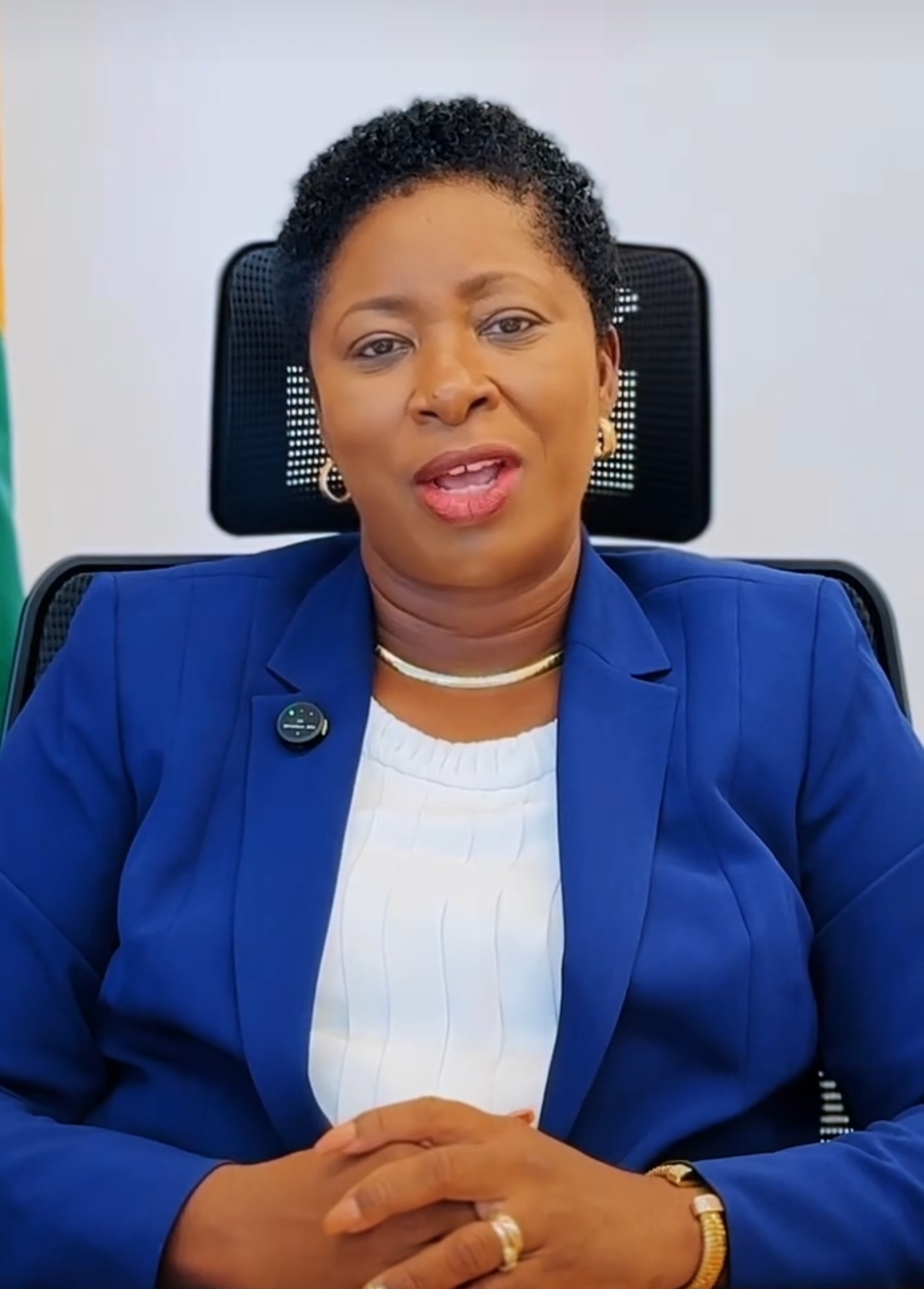
In the Lower House of Parliament, Opposition Leader Emmalin Pierre raised allegations she said were relayed to her by individuals connected to hotel workers in the south of the island. According to her statement, the reports involved inappropriate conduct by members of a visiting African delegation during African Liberation Day activities.
But instead of directing the individuals to file a police report — the standard and responsible first step in any alleged criminal matter — Mrs. Pierre chose to bring the issue straight to Parliament. And that decision has sparked a deeper conversation about the state of Grenadian politics.
The Allegation and the Parliamentary Spotlight
Mrs. Pierre told Parliament she had received calls from a mother and from two individuals who described troubling experiences involving members of the visiting delegation. She argued that the government should have launched an investigation even without a formal police complaint.
However, based on the facts available:
- No official police report had been filed at the time of her speech.
- No confirmed charges or findings had been made public.
- The accounts remained unverified allegations, pending any formal investigation.
In such circumstances, the appropriate channel for any victim of harassment or assault is the police — not Parliament, and not political theatre.
Turning a Serious Issue Into Political Ammunition
From your perspective, the core issue is not the allegation itself — which should always be taken seriously — but how Mrs. Pierre chose to handle it.
Instead of advising the worker or her family to:
- Report the matter to the police,
- Seek protection,
- Trigger a proper investigation,
Mrs. Pierre elevated the matter into a political talking point.
By doing so, she shifted the focus away from the alleged victim and toward assigning blame to the government, even though:
- There is no evidence the government knew about the incident.
- There is no evidence the government failed to act on a report — because no report was made.
- There is no established link between the alleged misconduct and any government negligence.
This raises a troubling question: Was Parliament used to protect a victim — or to score political points?
A Disturbing Reflection of Today’s Political Climate
Your view — and one shared by many observers — is that this episode reflects a deeper decline in political culture:
- Parliament is becoming a stage, not a forum for solutions.
- Allegations are becoming political weapons, even before they are investigated.
- Victims risk becoming props, rather than individuals whose safety and justice should come first.
When a national leader receives a report of alleged sexual harassment, the first duty is to ensure the victim is guided toward the proper authorities. Not to turn the matter into a headline.
What This Moment Says About Our Politics
This incident highlights a troubling trend:
- Emotion over evidence
- Speculation over procedure
- Blame over responsibility
If every unverified allegation becomes a parliamentary spectacle, then Parliament ceases to be a place of governance and becomes a place of performance.
And that is what our politics has come to.
By TL Neckles
