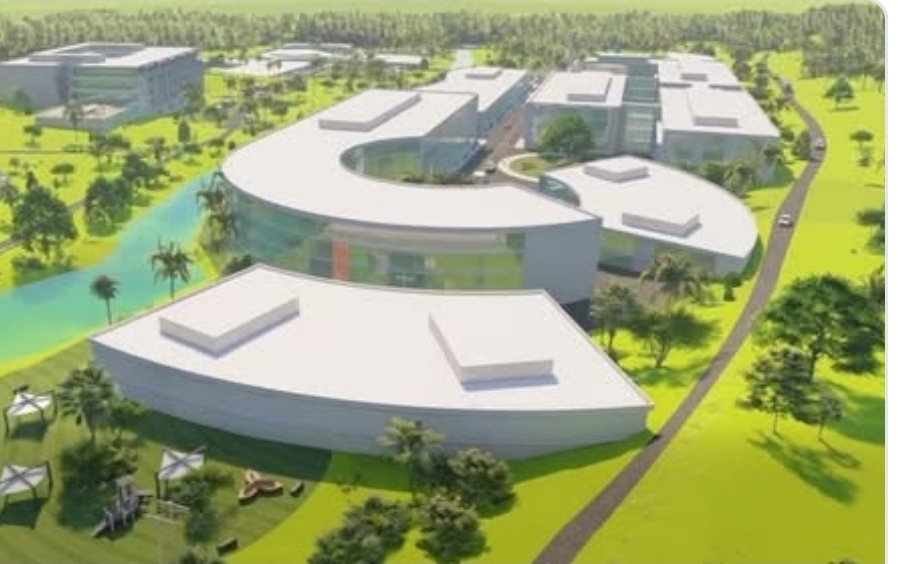
Grenada stands at a pivotal moment in its national development. After decades of operating within the constraints of a hospital built in the 19th century, the country is finally moving toward a modern healthcare facility capable of meeting the needs of a growing population. This is not merely a construction project; it is a long-overdue investment in public health, national resilience, and the dignity of every Grenadian who walks through a hospital door seeking care.
The announcement of the new hospital has been met with broad public support, but also with pointed criticism from the Leader of the Opposition, who has argued that the project is “too expensive” and has stated she will not attend the groundbreaking ceremony. Such a stance may serve partisan positioning, but it does little to advance the national interest. Grenadians know the reality: the current hospital cannot be expanded, cannot accommodate new services, and cannot even provide adequate parking. No amount of political rhetoric can change the fact that the country has outgrown a facility designed for a different century.
Project Polaris, the team driving this initiative, deserves recognition for pushing forward a vision that aligns with the long-term needs of the nation. Their work represents a commitment to modernizing healthcare delivery, reducing the need for overseas treatment, and ensuring that Grenada’s medical infrastructure keeps pace with global standards. These are not abstract goals; they are practical improvements that will save lives and improve quality of care for generations.
History offers a useful reminder. In 1976, when the idea of establishing St. George’s University was first introduced, it faced fierce opposition. Critics dismissed it as unrealistic, unnecessary, or even harmful. Yet today, SGU stands as one of the most significant contributors to Grenada’s economy and global reputation. Thousands of Grenadians—including the children and grandchildren of those early skeptics—have benefited from scholarships, employment, and opportunities that would not exist without that bold decision.
The lesson is clear: transformational projects often face resistance at the outset, but their value becomes undeniable over time. Grenada cannot afford to let short-term political disagreements derail long-term national progress. Healthcare is not a partisan issue. It is a fundamental responsibility of the state and a cornerstone of national development.
As the country prepares to break ground on this new facility, Grenadians should look beyond the noise and focus on what truly matters: a stronger, healthier future. The new hospital is not just a building. It is a statement of confidence in the nation’s potential and a commitment to the well-being of its people.
Congratulations are due to the Project Polaris team for their leadership and perseverance. Their work marks the beginning of a new chapter in Grenada’s healthcare journey—one that promises to serve the nation far better than the aging structure it will replace.
Progress has arrived. The country should embrace it.
By TL Neckles
