By TL Neckles
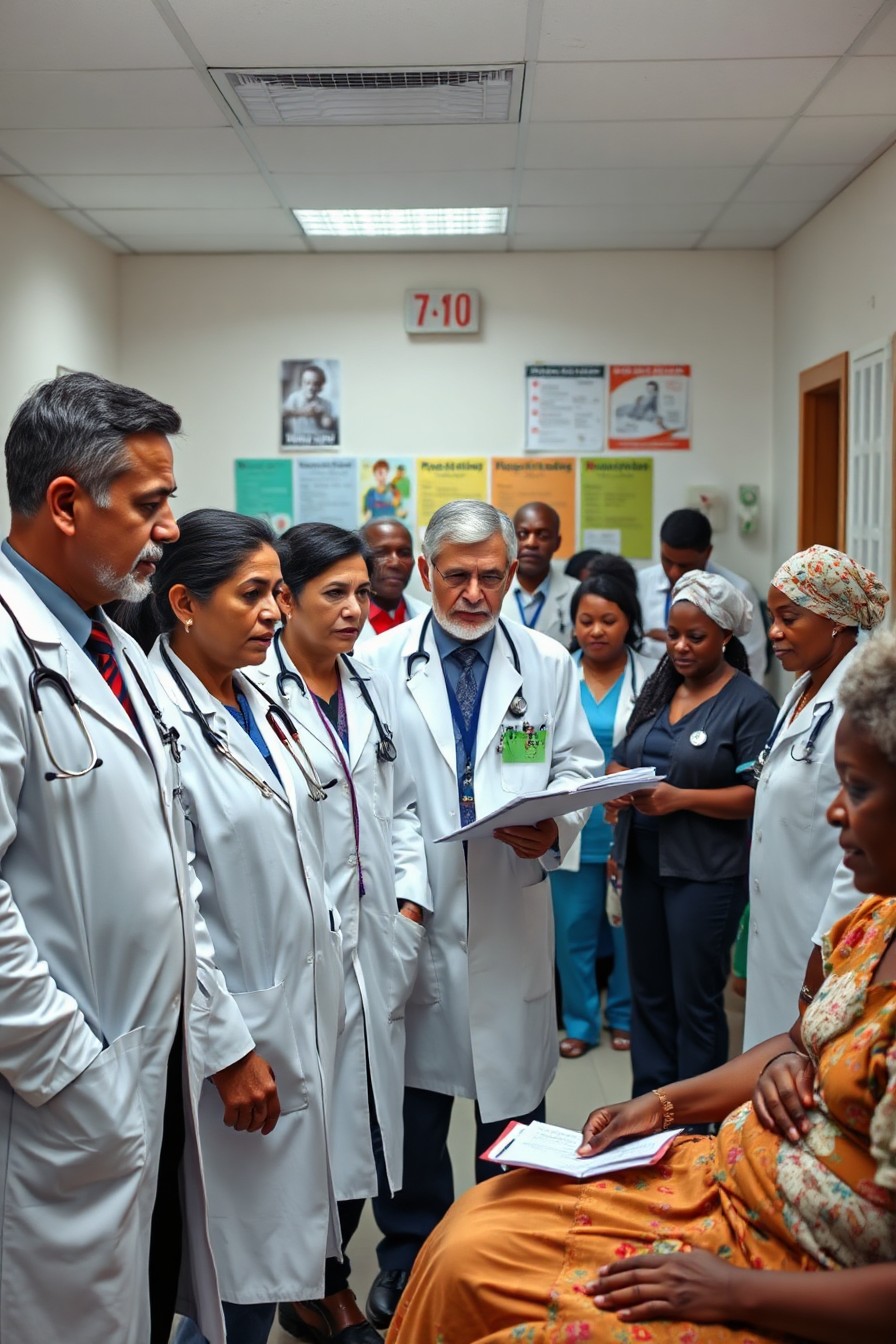
For decades, Cuba has played a quiet but indispensable role in the health systems of many Caribbean nations. Through medical cooperation agreements, Cuban doctors have staffed rural clinics, filled critical shortages in specialized care, and provided services that many small island states simply cannot afford to supply on their own. These programs have saved lives, strengthened public health systems, and offered a model of South‑South solidarity that stands out in a region often shaped by geopolitical pressure.
Today, that arrangement is under threat.
Washington’s Renewed Pressure Campaign
Recent U.S. diplomatic pressure on Caribbean governments to sever their medical agreements with Cuba has sparked alarm across the region. Critics argue that this pressure is less about human rights or labor concerns—and more about isolating Cuba politically. The United States has long opposed Cuba’s international medical missions, framing them as exploitative. But Caribbean leaders and public health experts counter that these missions have been lifelines, not liabilities.
The question now facing the region is stark: If these programs end, who will fill the gap?
A Region Already Facing a Severe Doctor Shortage
Caribbean nations already struggle with:
- Chronic shortages of physicians, especially specialists
- High rates of migration among local medical professionals
- Limited training capacity
- A growing burden of chronic diseases
Cuban doctors have historically stepped into these gaps, often serving in remote or underserved communities where no other medical personnel are available. Removing hundreds of Cuban doctors from the region would not simply inconvenience health systems—it would destabilize them.
And despite U.S. pressure, Washington has offered no comprehensive plan to replace the medical workforce that would be lost. There is no large-scale U.S. medical deployment, no funding package, no emergency training initiative. Caribbean governments are left to wonder whether political pressure is being prioritized over human survival.
The Human Cost of Geopolitical Hostility
Some observers argue that U.S. officials—such as Secretary of State Marco Rubio—are allowing ideological hostility toward Cuba to overshadow the humanitarian consequences for Caribbean people. Critics warn that this approach risks turning public health into a geopolitical weapon, with ordinary citizens paying the price.
If medical cooperation ends abruptly, the consequences could be devastating:
- Longer wait times for essential care
- Reduced access to maternal and child health services
- Fewer specialists for cardiology, oncology, and surgery
- Higher mortality rates in rural and low-income communities
In small island states with limited resources, even a modest reduction in medical personnel can translate into thousands of preventable deaths. The stakes are not abstract—they are immediate and life‑or‑death.
A Historical Reality Often Ignored
It is important to remember that Cuba, despite being a small island just 90 miles from U.S. shores, has posed no military threat to the United States since the failed Bay of Pigs invasion in 1961. Yet U.S. policy toward Cuba has remained shaped by Cold War-era hostility, often at odds with the needs and priorities of Caribbean nations.
For many Caribbean leaders, Cuba has been a consistent partner in education, disaster response, and health care—areas where the United States has not always provided comparable support. The current pressure campaign risks undermining decades of regional cooperation and goodwill.
Caribbean Sovereignty at a Crossroads
Ultimately, the issue is not only about doctors. It is about sovereignty.
Caribbean nations must decide whether they will allow external political pressure to dictate their public health strategies—or whether they will assert their right to choose partnerships that best serve their people.
If the United States insists on dismantling a system that has worked for decades, it bears a moral responsibility to offer a viable alternative. So far, none has been presented.
Conclusion: Lives Should Not Be Bargaining Chips
The Caribbean faces a critical moment. Ending medical cooperation with Cuba without a replacement plan would leave millions vulnerable. Public health should never be collateral damage in geopolitical disputes.
Whether Washington’s pressure succeeds or not, Caribbean leaders—and their citizens—will remember who stood with them in their hour of need, and who put politics above human life.
