By TL Neckles
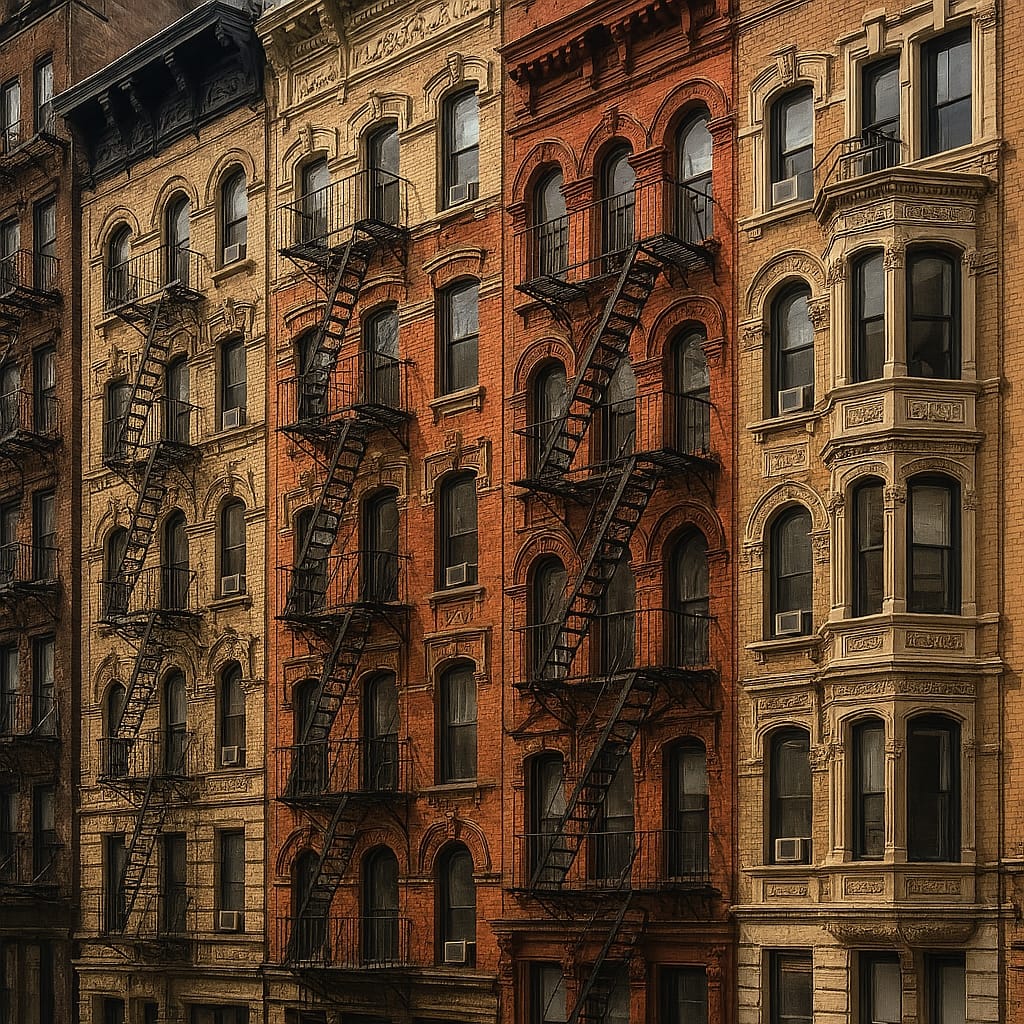
New York City’s housing debate has entered another intense chapter. The new mayor has announced plans aimed at strengthening protections for tenants, especially those facing eviction or unsafe living conditions. Supporters argue that these measures are necessary in a city where rents are high and displacement is a real threat.
But there is another side of the story that rarely gets the same attention: the growing crisis facing small landlords, many of whom feel unprotected, financially strained, and trapped in a system that allows non‑paying tenants to remain in their homes for months — sometimes more than a year — while owners continue to shoulder the costs.
This article explores that tension, the policy landscape, and the lived experiences of small property owners who say the system is failing them.
Tenant Protections Are Expanding — But Landlord Protections Are Not
The mayor’s new plan focuses heavily on:
- Expanding legal assistance for tenants
- Increasing enforcement against landlord harassment
- Strengthening anti‑eviction measures
- Creating more oversight of rental conditions
These initiatives reflect long-standing concerns about housing insecurity in NYC. Many tenant advocates argue that without strong protections, vulnerable residents could be pushed out of their homes or exploited by bad‑faith landlords.
However, the policy conversation often overlooks the reality that not all landlords are large corporations. In fact, thousands of New Yorkers own just one or two units — often the home they live in, plus a basement or upstairs apartment they rent out to help pay the mortgage.
For these small owners, the current system can feel deeply unbalanced.
A Court System That Moves Slowly — and Often at the Landlord’s Expense
Housing court in New York is notoriously slow. Cases can drag on for months or even years. During that time:
- Tenants may legally remain in the unit
- Landlords must continue paying taxes, utilities, and maintenance
- Rent arrears accumulate with little chance of recovery
- Owners cannot reclaim or re‑rent their property
Many small landlords say the system effectively encourages non‑payment because the consequences are minimal and delayed.
One Brooklyn home owner spent over a year trying to evict a tenant who refused to pay her rent. During the court battle, she moved her adult son into the apartment. When she was finally removed her son stayed in the apartment triggering the enter process all over.
This is not an isolated story. Across the city, owners describe similar ordeals: tenants who stop paying, drag out court proceedings, and leave landlords financially devastated.
The Consequence: Small Landlords Are Leaving the Rental Market
Faced with mounting losses and legal obstacles, many small homeowners are making a difficult decision: they are choosing not to rent at all.
This trend has serious implications:
- Fewer available rental units
- Higher rents due to reduced supply
- Increased pressure on the city’s already strained housing market
- Loss of generational wealth for families who rely on rental income to maintain their homes
When small landlords exit the market, the city becomes more dependent on large corporate landlords — the very dynamic tenant advocates often criticize.
A System Out of Balance
The debate is not about choosing between tenants and landlords. It’s about recognizing that both groups need protection, and that a functioning housing system requires fairness on both sides.
Tenant protections are important — but so are:
- Faster, more efficient eviction proceedings
- Clear consequences for chronic non‑payment
- Support for small landlords who rely on rental income
- Policies that distinguish between corporate landlords and homeowners renting part of their residence
Without these reforms, the city risks creating a system where good‑faith landlords are punished, bad‑faith tenants exploit loopholes, and the housing crisis deepens.
A Path Forward
A balanced approach could include:
- Mediation programs that resolve disputes early
- Emergency rental assistance that pays landlords directly
- Separate legal tracks for small landlords vs. large property owners
- Faster timelines for cases involving clear non‑payment
- Protections for homeowners renting part of their primary residence
These ideas are already being discussed in policy circles, but they need political will and public pressure to move forward.
Closing Thoughts
The story of the Brooklyn home owner — and the stories of many small landlords across NYC — highlights a critical truth: tenant protections alone cannot fix the housing crisis. A fair system must protect people on both sides of the lease.
The mayor’s plan addresses real problems, but it leaves a major gap unfilled. Until small landlords receive meaningful support and timely legal recourse, more of them will walk away from renting altogether, shrinking the city’s housing supply and deepening the crisis for everyone.
