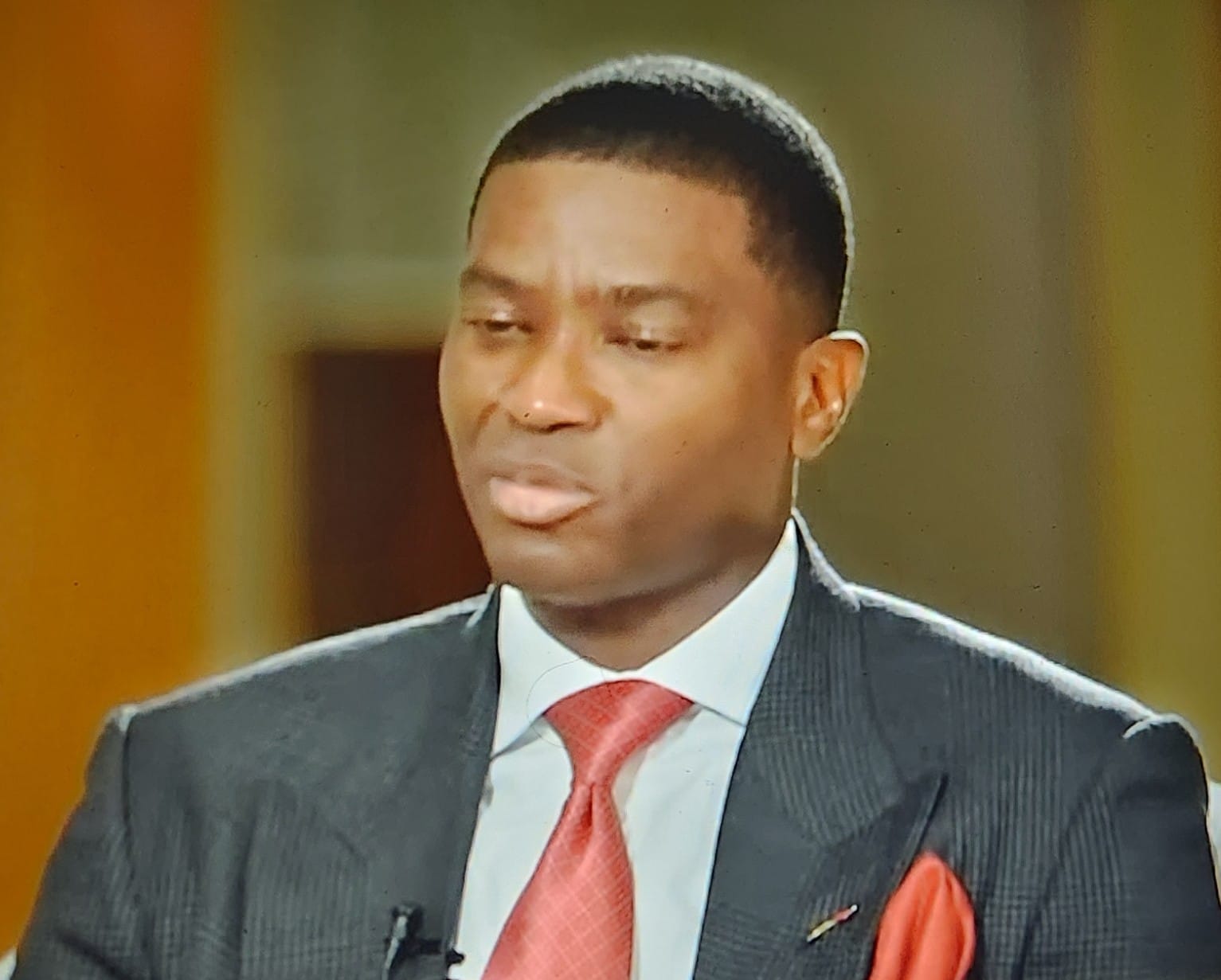
Three years into the administration of Prime Minister Dickon Mitchell and the National Democratic Congress (NDC), Grenada finds itself at a political crossroads. The government has achieved a landmark victory by delivering paid pensions to public workers—an accomplishment that eluded the New National Party (NNP) during its long tenure. Yet, despite this milestone, the NDC faces mounting criticism for failing to address youth unemployment and for allegedly favoring retired party loyalists with contracts and positions of influence.
This article explores the dual narrative of achievement and disappointment: the pension reform that has brought relief to thousands of workers, and the growing frustration among Grenada’s youth who feel sidelined. It also examines the political dilemma facing voters who are disillusioned with the NDC but reluctant to return to the NNP under Emmalin Pierre, whom many view as a weak leader.
The Pension Victory: A Historic Achievement
For decades, the issue of pensions for public workers has been a thorn in Grenada’s political landscape. Successive governments promised reform but failed to deliver. The NNP, despite its dominance in Grenadian politics, could not resolve the matter.
- What the NDC Achieved:
- In its third year, the Dickon Mitchell-led government implemented a paid pension scheme for public workers.
- Thousands of teachers, nurses, police officers, and other civil servants finally received the retirement benefits they had long been denied.
- This move was hailed as a victory for justice, fairness, and workers’ rights.
- Political Significance:
- The pension reform cemented the NDC’s reputation as a government willing to tackle entrenched issues.
- It distinguished the party from the NNP, which had failed to act despite years in power.
- For many Grenadians, the pension victory symbolized a new era of accountability and responsiveness.
The Shadow of Youth Unemployment
Despite the pension success, the NDC’s record on job creation tells a different story. Grenada’s youth—many of whom supported Dickon Mitchell in 2022—are increasingly disillusioned.
- The Reality for Young People:
- Unemployment remains high among young men and women, particularly in rural constituencies.
- Promises of new opportunities have not materialized.
- Many feel excluded from the economic benefits of the government’s policies.
- Perception of Favoritism:
- Critics argue that the NDC has prioritized retired party supporters over the younger generation.
- Contracts and positions are allegedly awarded to loyalists who already enjoy financial security.
- This perception of nepotism undermines the government’s credibility among its youthful base.
Case Study: St. Andrew South West
The frustrations of Grenada’s youth are vividly illustrated in St. Andrew South West.
- The Retired Teacher’s Contract:
- A retired teacher, closely aligned with the NDC, was given a contract to maintain several playing fields.
- A member of his family also received a contract.
- Meanwhile, young men and women in the constituency remain unemployed and overlooked.
- Community Reaction:
- Residents express anger at what they see as favoritism and exclusion.
- Youths who once campaigned for the NDC now question whether they will support the party again.
- The sense of betrayal is palpable: promises of empowerment have given way to disappointment.
The Political Dilemma: NDC vs. NNP
Grenada’s voters now face a difficult choice.
- Disillusionment with the NDC:
- Many feel the government has failed to deliver on its promise of inclusivity.
- Allegations of nepotism and favoritism erode trust.
- Youth unemployment remains a pressing issue.
- Reluctance to Return to the NNP:
- Despite frustrations with the NDC, many Grenadians are unwilling to return to the NNP.
- Emmalin Pierre, the current leader, is widely perceived as weak and uninspiring.
- Voters express reluctance to see her as Prime Minister.
- A Political Crossroads:
- Grenada’s electorate is caught between dissatisfaction with the NDC and disillusionment with the NNP.
- The absence of a strong alternative leaves voters in a state of uncertainty.
The Broader Implications for Grenada’s Democracy
The current situation raises important questions about governance, accountability, and the future of Grenada’s democracy.
- Youth Engagement:
- The alienation of young voters threatens long-term political stability.
- If the youth lose faith in the democratic process, voter turnout may decline.
- Disengagement could weaken Grenada’s democratic institutions.
- Party Loyalty vs. Performance:
- Grenadians are increasingly willing to judge parties by their performance rather than tradition.
- The NDC’s pension victory shows that tangible achievements matter.
- However, failures in job creation demonstrate that performance must be consistent across sectors.
- The Need for Reform:
- Grenada’s political system must address nepotism and favoritism.
- Transparent processes for awarding contracts and jobs are essential.
- Without reform, public trust will continue to erode.
Voices from the Ground
Interviews and community perspectives highlight the depth of frustration:
- Young Men in St. Andrew South West:
- “We worked hard to put the NDC in power, but now we are left behind.”
- “Contracts go to retired people and their families, not to us who need jobs.”
- Young Women in Rural Areas:
- “We believed in Dickon Mitchell, but now we are not sure if we can vote for him again.”
- “We don’t want to go back to the NNP, but what choice do we have?”
These voices underscore the urgency of addressing youth unemployment and favoritism.
The Leadership Question
Leadership remains central to Grenada’s political future.
- Dickon Mitchell:
- Seen as a reformer who delivered pensions.
- Criticized for failing to prioritize youth employment.
- Faces the challenge of balancing loyalty to supporters with national needs.
- Emmalin Pierre:
- Viewed by many as a weak leader.
- Struggles to inspire confidence as an alternative to Mitchell.
- Her leadership style is questioned by both supporters and opponents.
Possible Futures for Grenada
Grenada’s political trajectory could unfold in several ways:
- Renewal of the NDC:
- The government addresses youth unemployment and reforms contract allocation.
- Trust is restored, and the NDC consolidates its position.
- Decline of the NDC:
- Continued favoritism and neglect of youth lead to electoral losses.
- Disillusioned voters either abstain or reluctantly return to the NNP.
- Emergence of a Third Force:
- A new political movement arises to challenge both the NDC and NNP.
- Youths and disillusioned voters rally behind fresh leadership.
In conclusion, three years into its tenure, the Dickon Mitchell-led NDC government stands at a crossroads. Its pension reform marks a historic achievement, distinguishing it from the NNP. Yet, its failure to address youth unemployment and allegations of favoritism threaten its credibility.
Grenada’s voters, particularly its youth, face a dilemma: remain loyal to a government that has disappointed them, or return to an opposition they do not trust. The future of Grenada’s democracy depends on how the NDC responds to these challenges—and whether new leadership can emerge to inspire confidence.
The story of Grenada today is one of achievement shadowed by disillusionment, of progress tempered by frustration. It is a reminder that governance is not only about delivering landmark reforms but also about ensuring fairness, opportunity, and hope for the next generation.
